Rapid technological advancement and rising global connectivity is reshaping the way the world is functioning. From higher productivity to improved customer satisfaction, technology has played a critical role in the growth of businesses across the world.
The consequential bad news is that technological advancements have also made organizations increasingly vulnerable to digital risk. However, this does not mean that businesses must compromise on growth and advancement for the sake of security.
The security challenges within these digital environments can be better addressed if organizations knew how to identify these risks and incorporate preventative security measures and controls, along with proactive solutions and detailed plans, to overcome their digital vulnerabilities.
Let us discuss the different types of digital risks you should be looking out for and how you can use this information to get a positive ROI.
Types of Digital Risks
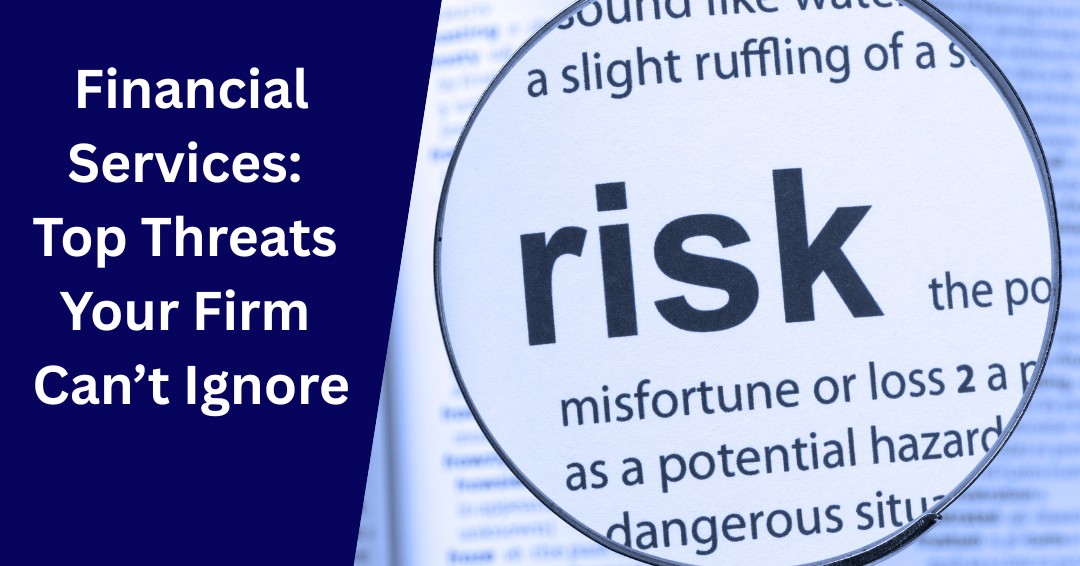
Digital risks are increasing in the business world due to the rapid adoption of new disruptive technologies. These risks are seen in various industries and are more pervasive than cybersecurity risks. On a broader scale, digital risks can be classified into physical, technical and administrative risks.
The following risks are the most prevalent in today’s digital world and should be treated as top priorities for your business:
1. Cybersecurity Risk: Cyber attacks continue to evolve as businesses become more technology driven. Attacks like ransomware, DDoS, etc., can bring a halt to the normalcy of any business.
2. Data Privacy Risk: As we move forward to a knowledge-based economy, data has become the most valuable commodity in the world. This has resulted in hackers targeting critical business data and misusing them for personal gains.
3. Compliance Risk: Businesses need to adhere to various regulations regarding data privacy, cybersecurity, organizational standards of practice, etc. Any violation can attract heavy fines and penalties for a business.
4. Third-Party Risk: When you outsource certain services to third parties, it might compromise the security of your IT infrastructure. For instance, a software tool you develop with an external vendor may introduce some vulnerabilities to your otherwise intact digital environment.
5. Resiliency Risk: This concerns the ability of a business to bounce back and continue operations after an unexpected disaster.
6. Risks Due to Human Errors: In the UK, 90% of cyber data breaches were caused by human errors in 2019. Whether it’s falling for phishing scams or misusing work devices, human errors can be quite costly for organizations if they go unchecked.
7. Automation Risks: While automation is reshaping the tech industry for the better, it could also give rise to a range of risks such as compatibility risks, governance risks, etc.
8. Cloud Storage Risks: The flexibility, ease-of-use and affordability offered by the cloud makes it one of the most popular options for backup and storage. However, the cloud is also prone to various risks such as lack of control over data, data leakage, data privacy, shared servers, etc.
Importance of Risk Assessment in Managing Digital Risks
The best way to start managing your digital risks is by performing comprehensive security risk assessments regularly. After all, how would you know what your current vulnerabilities or gaps are and where you biggest security challenges lie without an ‘under the skin’ examination? With a risk assessment, you can measure your security posture against various internal and digital threats and determine how equipped you are to deal with these risks.
When you perform a security risk assessment you can proactively:
– Identify Vulnerabilities: A risk assessment helps you identify which part of your digital environment is relatively weak against various security threats. You can identify which systems are likely to be targeted by attackers and incorporate measures to strengthen these systems. Without the information presented by your risk assessment report, you don’t stand much chance of improving your digital security posture against various vulnerabilities.
– Review and Bolster Security Controls: In most cases, security incidents occur due to a lack of controls in the process. For instance, without proper cybersecurity awareness training and best practices training, employees are unlikely to follow security protocols on their own, which could result in losses due to human errors. Based on the risk assessment, you can upgrade your securities and incorporate preventive measures against various risks.
– Track and Quantify Risks: To effectively manage various risks, you need to know the effect of these risks on your business. With a risk assessment, you can quantify these risks by identifying the potential losses posed by various threats. This helps you incorporate necessary risk mitigation strategies to prevent your exposure to various risks.
The Value of Risk Assessment
IT and security budgets are often difficult to explain to management. Everyone understands the consequences of not investing in correct security measures. However, it isn’t that easy or simple to put an exact ROI figure on security investments. The value of risk assessment is based on how you choose to act with the information you get from these reports.
In this scenario, the real question is – what is the cost of not making this investment? Let us consider a major data breach for example. It is always about what you stand to lose in the aftermath of a breach. If your business is dealing with valuable customer data, a data breach can result in unrecoverable financial losses as well as reputational damage.
Moreover, this might also result in regulatory non-compliance and attract heavy penalties from various regulators. In such cases, reviving a business after a major disaster can be almost impossible.
Here, the cost of investment in security solutions and cyber insurance is negligible since it concerns the survival of the business. You may not be able to measure the exact ROI of the airbags in your car but that does not mean that your survival is not dependent on them. Similarly, the information and insights gained from routine risk analyses are critical to the operation, resilience posture and long-term success of your business.
Understanding Risk Is the First Step Toward Reducing It
Every organization faces digital risks, whether they originate from cyber threats, outdated systems, excessive permissions, third-party vendors, employee mistakes, or evolving technology environments. The challenge is that many of these risks remain hidden until they result in a security incident, operational disruption, or compliance issue.
The most resilient organizations make risk management an ongoing business process rather than a one-time exercise. They regularly assess vulnerabilities, evaluate security controls, review changes to their technology environment, and prioritize improvements based on business impact.
The goal is not to eliminate every possible risk. It is to understand where your organization is most vulnerable and take practical steps to reduce exposure before problems occur.
Organizations that continuously evaluate and manage risk are often better positioned to protect critical systems, support business continuity, and respond effectively when challenges arise.
Do You Know Where Your Greatest Digital Risks Exist?
Many organizations are unaware of security gaps, outdated systems, excessive permissions, and other vulnerabilities until a security incident exposes them. If you’re unsure where your organization may be exposed, schedule a free consultation with ITNS Consulting.
We’ll help evaluate your current environment, identify potential vulnerabilities, prioritize improvements, and develop a practical strategy for reducing risk and strengthening your cybersecurity posture.
Identify Risks Before They Become Business Problems
The first step in protecting your business is understanding where vulnerabilities exist.
Download our Risk & Vulnerability Assessment Checklist to evaluate your current security posture, identify potential weaknesses, and take proactive steps to reduce risk before it affects your business.
🔍 Risk & Vulnerability Assessment Checklist — Free Download
Identify Hidden Threats. Prioritize Fixes. Strengthen Your Security Posture.
This checklist helps you uncover the critical risks hiding across your environment, including high-impact vulnerabilities, misconfigured security tools, identity and access gaps, missing updates, and overprivileged accounts.
It also identifies vendor access concerns and weaknesses in backup, recovery, and evidence practices so you can prioritize improvements before they become costly problems.
Perfect for:
✔️ Organizations preparing for audits or cyber‑insurance renewal
✔️ Companies with legacy systems or unclear configurations
✔️ Leaders evaluating internal or outsourced IT
✔️ Teams wanting visibility into their real security posture