Bits, Bytes & Insights
Practical Technology Guidance. Real World Security Insight.
Explore hundreds of articles covering IT, cybersecurity, compliance, and business technology—written to educate, inform, and help you make better business decisions.
- Actionable Advice
- No Sales Pitch
- Real Experience Behind Every Post
👇 Practical guidance you can actually use—no fluff, just experience driven insight.
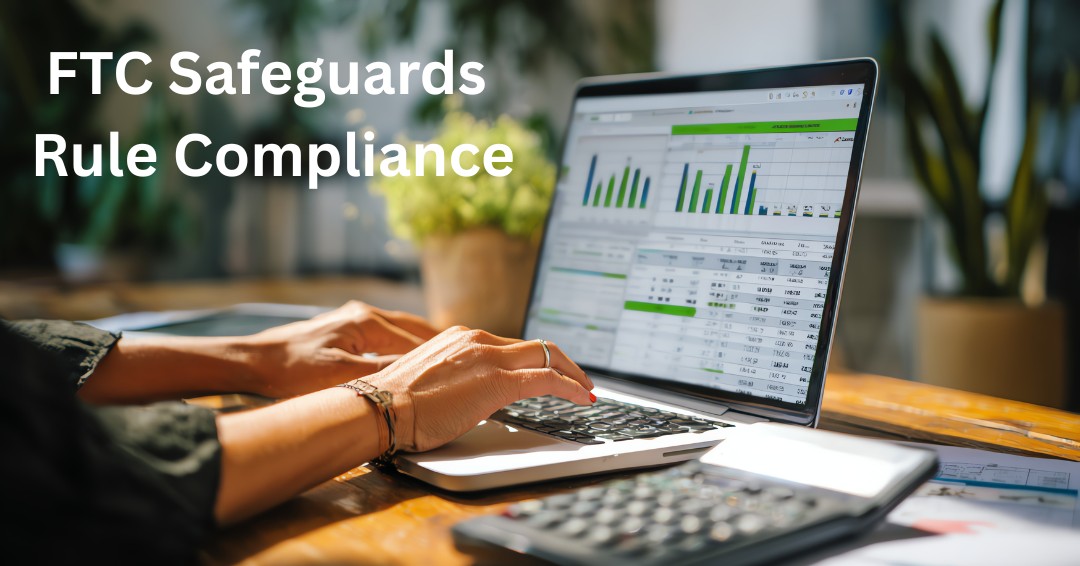
FTC Safeguards Rule Compliance: What Financial Service Owners Should Know
FTC Safeguards Rule compliance is no longer a background IT issue for financial service owners. If your firm handles client financial information, the Safeguards Rule may affect your business directly. This includes tax records, investment details, loan documents, account information, credit reports, Social Security numbers, and other nonpublic personal information. The rule can shape how your firm protects data, manages risk, oversees vendors, trains employees, and responds to security incidents. For financial professionals, this is not just a regulatory checkbox. It is about protecting client trust, preserving your reputation, and showing that your firm takes cybersecurity seriously.
Many financial service owners tell us the same thing: “We know cybersecurity is important, but we are not sure what regulators expect.” Documentation requirements can feel just as unclear. In some cases, firms also do not know whether their current IT provider is helping them comply. That uncertainty is understandable. After all, the FTC Safeguards Rule uses terms like information security program, risk assessment, qualified individual, service provider oversight, encryption, access controls, monitoring, and incident response. While those phrases can sound technical, the business question is simple: can your firm show that it has a reasonable, documented, and actively managed process for protecting customer information?

Download our free Small Business IT Guide to learn what to look for in a reliable IT partner and make a more confident decision for your business.

IT Risks for Financial Services: The Top Threats Your Firm Can’t Afford to Ignore
If you own or lead a small to medium financial service organization, your business runs on trust. Clients rely on you to protect financial records, investment information, tax documents, insurance data, account details, and personal identity information. That trust...
IT Support for Financial Services Firms: Why Basic Support Is No Longer Enough
IT support for financial services firms is no longer limited to fixing computers, resetting passwords, or troubleshooting software issues. Financial planning, wealth management, tax, accounting, payroll, insurance, mortgage, and investment advisory firms all rely on...
IT Provider for Law Firms: Questions to Ask Before Trusting Them With Client Data
Choosing the right IT provider for law firms affects client confidentiality, attorney productivity, firm reputation, and daily operations. Your technology supports client communication, case files, deadlines, documents, billing, and protected data. When systems run...
Legal IT Compliance: How the Right IT Provider Helps Protect Client Data
Legal IT compliance is no longer a back-office concern for law firms. It shapes everyday business decisions. Clients may ask how your firm protects their information. Cyber insurance renewals may require detailed answers. Your firm must secure remote access. A partner...

Law Firm IT Support: Why Legal Practices Need More Than Basic Troubleshooting
Law firm IT support must go beyond basic troubleshooting because legal practices rely on technology to protect client confidentiality, preserve billable time, meet deadlines, manage documents, and communicate securely. Most law firms do not think about technology...

IT Downtime for Law Firms: How Much Is It Really Costing Your Practice?
IT downtime for law firms is more than a technical inconvenience. Lost billable time, delayed client communication, missed internal deadlines, frustrated staff, and added risk to client confidentiality are also consequences for IT downtime. This can also damage the...
Cybersecurity Compliance for Law Firms: How to Protect Client Confidentiality Before a Breach
Cybersecurity compliance for law firms is no longer just a technology issue; it is an ethical, operational, and client trust obligation. Attorneys and legal staff handle privileged communications, confidential case files, business records, financial details,...

Social Engineering Evolution: How Modern Threats Continue to Advance
The social engineering evolution reshaping cybersecurity today highlights one ongoing reality: even with stronger technology, people remain the easiest target for attackers. Human error still drives the majority of successful breaches, making emotional manipulation...

ROI of Security Awareness Training: The Hidden Value Behind a More Secure Workforce
Security awareness training is often seen as a routine obligation, something employees click through once a year to satisfy compliance requirements. But the ROI of security awareness training goes far beyond checking a box. When properly designed, executed, and...

How AI Is Supercharging Cybercriminals – And What Small Business Owners Must Do Now
Many small business owners once felt “their business is too small to target.” But artificial intelligence has changed the rules. AI is supercharging cybercriminals, removing the technical knowledge once required and allowing attackers to launch sophisticated scams...
How a Lack of Cybersecurity Places Small Businesses at Serious Risk
In today’s digital environment, cyber threats aren’t limited to major enterprises. A growing number of attackers now target small businesses because limited budgets, small teams, and minimal technical resources often translate into a lack of cybersecurity, making...
Federal Court Cyberattack: Key Lessons Small Business Owners Can’t Afford to Ignore
A Wake-Up Call for Every Small Business Imagine running a small business with just a handful of employees. You depend on digital tools to manage client files, payroll, contracts, and everyday operations. Then national headlines break: a federal court cyberattack has...
Partner With ITNS Consulting Today
Protect customer data, reduce risk, and keep your business running with a Managed IT program designed specifically for modern small businesses.
Ready to Protect Your Business?
Schedule Your Free Consultation with ITNS Consulting Today!