

As a small business owner, you juggle many tasks—customer service, inventory management, marketing, and finances. But with so much happening online, it’s easy to overlook the importance of securing your digital assets. Firewalls are one of the simplest yet most crucial tools you can use to protect your business from cyber threats.
Even if you aren’t a tech expert, understanding how firewalls work can help you safeguard your business from potential threats, whether you’re in the office or working from home. Here’s why firewalls are essential for you, and how they help solve common security challenges faced by small business owners.
What Is a Firewall?
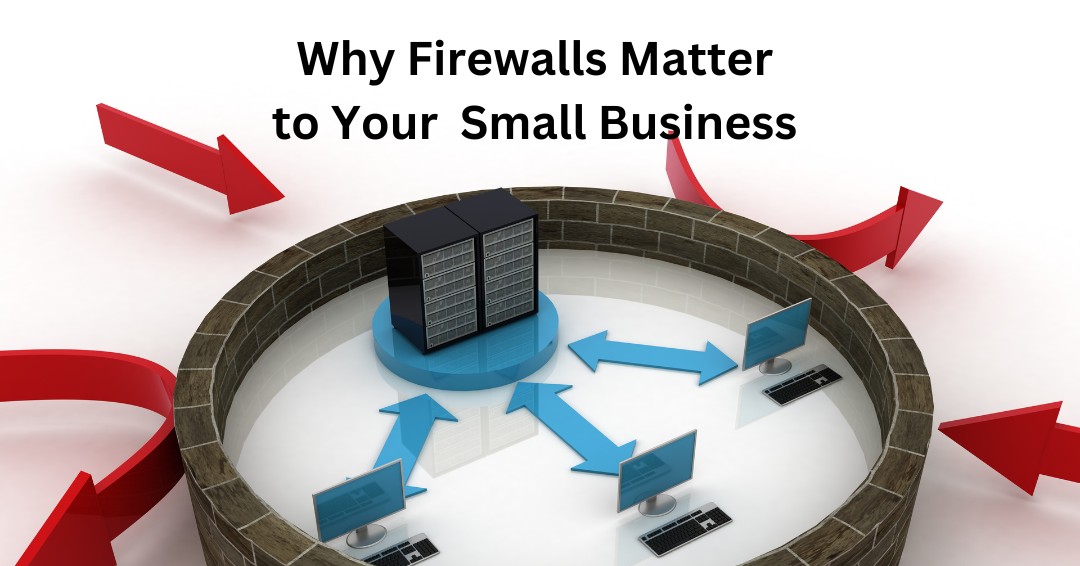
Think of a firewall as a security guard that monitors the traffic coming in and out of your network. Whether you’re running a small team or working alone, your firewall keeps an eye on your internet traffic, letting in safe data while blocking potentially harmful or suspicious content.
There are two main types of firewalls: hardware (physical devices) and software (programs installed on your computer or server). Both types help you manage your online security and protect your sensitive business data from hackers, malware, and other digital threats.
How Do Firewalls Protect Your Business?
Running a small business means dealing with limited resources, and your IT setup might not be as robust as larger companies. That’s where a good firewall comes in. Here’s how it works to protect you:
- Filtering Traffic
Firewalls analyze the data that travels across your network, looking for any signs of trouble. This can include blocking unauthorized attempts to access your business files or preventing malicious programs from entering your system. - Blocking Known Threats
If a hacker tries to breach your network or malware attempts to install itself on your devices, the firewall stops these threats in their tracks. With frequent updates, firewalls stay ahead of new risks and ensure that your business remains secure. - Creating Network Barriers
For added security, firewalls can separate different parts of your network. For instance, you can isolate sensitive client data or financial information from the rest of your network. This way, even if one section is compromised, the rest of your network stays safe. - Controlling Application Access
Firewalls control which applications are allowed to connect to your network. This minimizes the risk of harmful or unapproved software compromising your business operations.
Why Firewalls Matter to Your Business
As a small business, you rely on digital systems to manage client information, handle financial transactions, and communicate with suppliers. A data breach could severely damage your reputation, cost you clients, and result in hefty fines if you’re not meeting industry compliance standards.
Firewalls serve as your first line of defense. Here’s how they protect what matters most:
- Protecting Sensitive Information
Whether it’s financial data or personal client details, firewalls help safeguard your valuable information from being stolen or exposed. - Preventing Data Breaches
With hackers increasingly targeting small businesses, having a firewall prevents unauthorized access to your systems, lowering the risk of data theft or leakage. - Maintaining Compliance
If your business handles sensitive data (such as financial or healthcare information), firewalls are essential for complying with industry regulations like GDPR or HIPAA. They ensure your business meets privacy and security standards. - Containing Malware
Even with strong defenses, malware can sometimes slip through. When this happens, firewalls help contain the damage by isolating the infected parts of your network, preventing it from spreading to other devices.
Types of Firewalls for Small Businesses
Small businesses have different needs than large corporations, so choosing the right firewall is key. Here’s a quick overview of the most common types:
- Packet-Filtering Firewalls
These basic firewalls are ideal for smaller businesses. They monitor incoming and outgoing traffic based on set rules, such as trusted IP addresses and ports. - Stateful Inspection Firewalls
A step up from packet-filtering, these firewalls inspect the entire data packet and its context to better detect potential threats. - Next-Generation Firewalls (NGFW)
These firewalls combine multiple security features like deep packet inspection and intrusion prevention. They’re ideal for businesses that deal with highly sensitive data. - Proxy Firewalls
Acting as intermediaries, proxy firewalls handle requests between your business and the outside world, adding an additional layer of security by hiding your internal network from direct exposure.
Best Practices for Keeping Your Network Safe
As a small business owner, taking a proactive approach to cybersecurity is key. While your firewall provides important protection, there are a few simple steps you can take to enhance your overall security:
- Keep Software Updated
Regular updates to both your firewall and other business software help it recognize and block the latest cyber threats. - Use Strong Passwords
Simple passwords can be easily cracked by hackers. Use complex, unique passwords for each device and service to strengthen your defenses. - Enable Firewalls on All Devices
Many small businesses have multiple devices, from computers to smartphones. Ensure that each one has its firewall turned on to protect against cyber threats. - Stay Vigilant
Be cautious with email attachments or links from unknown sources. No firewall can catch every threat, so staying alert is crucial.
How Firewalls Benefit Your Business
Just like locking the doors to your office at the end of the day, firewalls provide a fundamental layer of protection for your business. By blocking unauthorized access, filtering out harmful content, and keeping malware at bay, they reduce the chances of costly cyber incidents.
For small businesses, firewalls are essential not only for protecting data but also for compliance with industry regulations. They help ensure your business stays secure and meets privacy standards, all while making your online environment safer.
Firewalls Are Only One Piece of a Strong Security Strategy
Firewalls play an important role in protecting small businesses from unauthorized access, malicious traffic, and many common cyber threats. However, effective cybersecurity requires more than a single tool.
The organizations that are best protected combine firewall protection with strong passwords, multi-factor authentication, regular software updates, employee security awareness training, reliable backups, and proactive monitoring. These layered defenses work together to reduce risk and improve resilience.
The good news is that improving cybersecurity does not require becoming a technology expert. By focusing on proven security fundamentals and implementing practical safeguards, small businesses can significantly reduce their exposure to cyber threats.
Cybersecurity is an ongoing process, not a one-time project. The steps you take today can help protect your business, your customers, and your reputation for years to come.
Is Your Network Protection Strong Enough?
Many businesses have a firewall in place but remain unsure whether it is properly configured, monitored, or supported by the other security controls needed to reduce risk. If you’d like to better understand your organization’s cybersecurity posture, schedule a free consultation with ITNS Consulting. We’ll help you identify potential vulnerabilities and develop a practical strategy to strengthen your defenses.
Build a Stronger Cybersecurity Foundation
A firewall is one of the building blocks of a secure business, but it works best when combined with other essential security controls.
Download our Cybersecurity Baseline Checklist to evaluate your current security posture, identify potential gaps, and take practical steps to better protect your business from today’s evolving cyber threats.
🛡️ Cybersecurity Baseline Checklist — Free Download
Understand Your Current Security Posture. Identify Gaps. Strengthen Your Defenses.
This straightforward, business-friendly checklist helps you evaluate your current security posture in minutes and identify weak points before attackers can exploit them.
It also helps you prioritize the most impactful fixes while strengthening compliance, cyber insurance readiness, and operational resilience.
Perfect for:
✔️ Small businesses getting started with cybersecurity
✔️ Leaders evaluating internal or outsourced IT performance
✔️ Teams preparing for growth, compliance, or insurance renewal
✔️ Organizations wanting predictable, repeatable security practices