Your business’ cybersecurity posture must prioritize detection, evaluation and mitigation of risks posed by your supply chain. It is vital that your security is upgraded on a regular basis to better prepare for any worst-case scenarios.
Having said that, it should come as no surprise that a vulnerable third party that your organization deals with can weaken your otherwise secure supply chain. Although controlling a third party’s cybersecurity can be challenging, it must be taken seriously since a security compromise at their end could put your business at risk.
Always remember that no matter how secure you think you are, dealing with an unsecure vendor can severely damage your business’ reputation and financial position.
Recommended Secure Supply Chain Best Practices
Prevention is always better than cure, especially when you are managing data, systems, software and networks. By proactively adopting best practices, it is certainly possible to enhance your supply chain’s security. Some of these practices include:
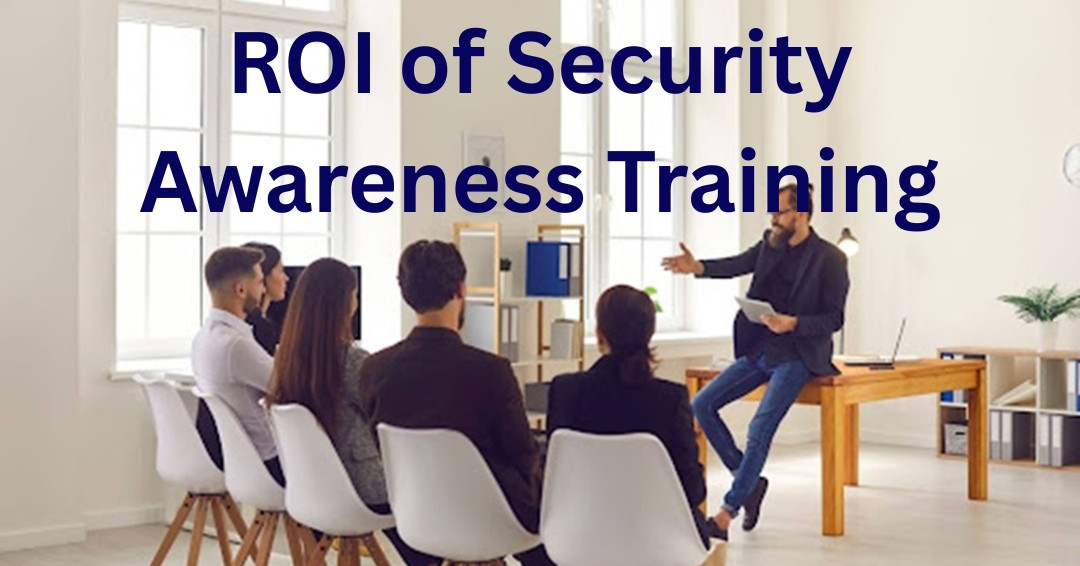
1. Security Awareness Training: You must educate all employees about how even a minor mistake on their part could severely compromise security. Since employees are usually the first line of defense against cyber attacks, it is important that they are given adequate training to identify and avoid any potential threats. Drafting and implementing an effective security awareness training program should not be a one-time affair. It should take place at regular intervals to ensure all stakeholders are on the same page.
2. Data Classification: Data classification enables you to identify data, segment it according to its worth and assign security to each type of data. The bottom line is that if you do not know your data thoroughly — especially the data that rests in your supply chain — you will struggle immensely at securing it.
3. Access Control: Enabling an access control gateway lets only verified users access your business data, including users that are part of your supply chain. With robust authentication and authorization protocols in place, you can minimize the chances of sensitive data getting compromised. While authentication verifies whether the user is who they claim to be, authorization verifies whether a user has access to a particular type of data. Hence, both hold equal importance when implementing a robust access control strategy.
4. Monitoring: Given the invasive and inevitable nature of security threats, a brisk reaction time is fundamental to the effectiveness of your supply chain security. Hence, automated and consistent monitoring is vital for quick detection and response to an attack. You must gather and dissect relevant data to recognize suspicious activity or dubious system changes within your organization. You can pre-define acceptable behavior on the monitoring system, and if breached, the system will trigger an alert.
5. Endpoint Protection: Endpoint protection ensures that end-user gadgets are protected against nefarious cyber criminals. Cyber criminals are getting more adept at identifying the most vulnerable point within your network. In most cases, it turns out to be an end-user device on your network or even devices on your third-party partner’s network. Therefore, securing endpoints is crucial to reinforcing the security of your business and your supply chain.
6. Patch Management: Security gaps left wide open due to inept patch management can leave your business vulnerable to cyber attacks. Whenever a new patch gets delivered, it is essential you deploy it immediately. Failing to do so could give cyber criminals a clear passage to circumvent your defenses.
7. Routine Scanning: Routine vulnerability scanning is a coordinated process to test, recognize, examine and reveal potential security threats (internal and external). Automating these scans so they are conducted accurately and regularly without investing a lot of time and effort will work wonders.
8. Network Segmentation: Once you dissect your business’ network or segment it into smaller units, you can control movement of data between segments and secure each segment from one another. Moreover, automating the process can help you smartly restrict suspicious entities (both internal and external) from gaining access to vital information or data.
9. Managed Detection and Response: MDR is an economically feasible service that helps you with in-depth threat detection and response. Threat hunting, which is part of this service, helps you with deep research and analysis of vulnerabilities, thus allowing you to deal strategically with cyber threats.
A Secure Supply Chain Requires Ongoing Oversight
Modern organizations depend on vendors, suppliers, software providers, cloud platforms, and service partners to support daily operations. While these relationships create efficiency and business value, they can also introduce cybersecurity risks that may be difficult to identify without proper oversight.
The most resilient organizations take a proactive approach to supply chain security. They evaluate vendor access, review third-party security practices, limit unnecessary permissions, document critical dependencies, and regularly assess how supplier disruptions or security incidents could impact business operations.
Supply chain security is not a one-time project. It is an ongoing process that helps organizations reduce risk, strengthen resilience, and maintain confidence in the systems and partners they depend on every day.
The goal is not to eliminate vendor relationships. It is to ensure those relationships support the business without creating unnecessary exposure.
Do You Know Which Vendors Present the Greatest Risk?
Many organizations grant vendors access to systems, applications, and sensitive information without regularly reviewing whether that access is still necessary or appropriately controlled. If you’re unsure whether your current vendor management practices adequately protect your business, schedule a free consultation with ITNS Consulting.
We’ll help identify critical vendor relationships, evaluate third-party risks, review access controls, and develop a practical strategy for strengthening supply chain security and operational resilience.
How Much Access Do Your Vendors Really Have?
Third-party vendors often have access to systems, applications, data, and business processes that are critical to daily operations. Without proper oversight, those relationships can create unnecessary risk.
Download our Vendor Access Review Template to evaluate vendor permissions, identify unnecessary access, and strengthen your organization’s approach to third-party risk management and supply chain security.
🔐 Vendor Access Review Template — Free Download
Know Who Has Access. Reduce Third Party Risk. Strengthen Your Security.
This template provides a clear, organized way to document every vendor with system or data access, identify excessive permissions, evaluate risk levels, and define security and support responsibilities.
It also helps you track critical safeguards, review offboarding procedures, and record changes and follow-up actions so vendor access remains secure and accountable.
Perfect for:
✔️ Small and mid-size businesses
✔️ Companies preparing for cyber insurance renewal
✔️ Teams undergoing vendor due‑diligence from clients or partners
✔️ Organizations evaluating current IT or SaaS usage
✔️ Leaders wanting strong governance and predictable security