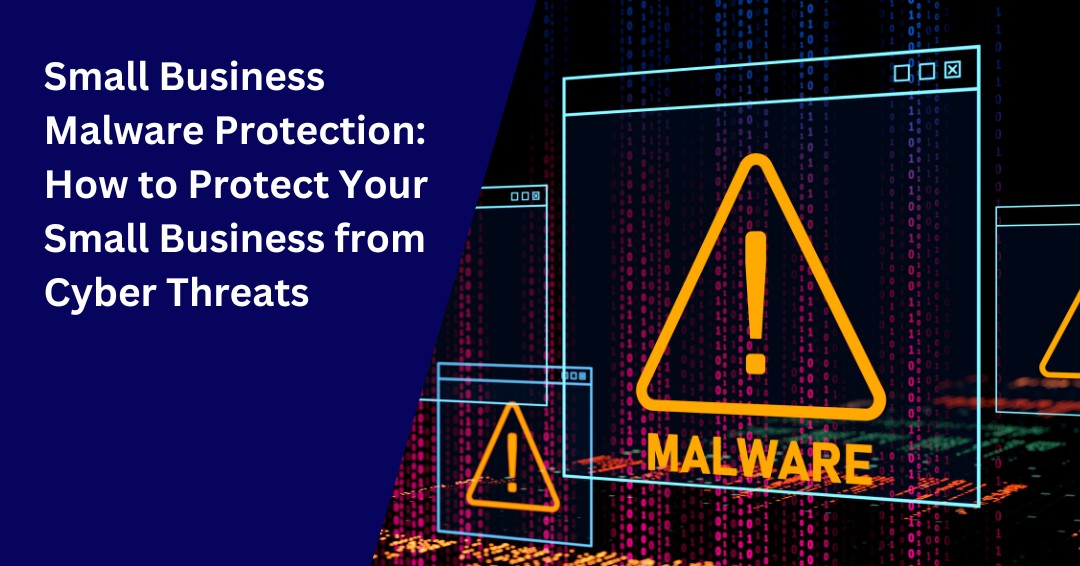


As a small business owner, you might think cyberattacks only happen to large corporations. However, in today’s digital world, every business—no matter the size—is a potential target. Without proper small business malware protection, your company could suffer financial losses, reputational damage, and even legal trouble due to data breaches and system infections.
The Risks of an Infected System
In 2024, data breaches hit an all-time high, exposing over 1.5 billion records. Cybercriminals don’t discriminate—if your system lacks small business malware protection, they will find a way to exploit it. Here are the biggest risks small businesses face from an infected system:
1. Loss or Corruption of Critical Business Files
Your business depends on data—client records, financial statements, and important documents. A system infection can corrupt, erase, or lock these files, leaving you unable to operate.
Example: Many small law firms and financial advisors have been hit by ransomware, where hackers encrypt their files and demand payment to restore access. Without a small business malware protection strategy, companies are forced to either pay up or lose crucial data permanently.
2. Network Vulnerabilities Affecting Your Entire Operation
An infected device doesn’t just impact one computer—it can spread through your entire network, affecting all connected devices. This means customer data, financial records, and even internal communications can be compromised.
Example: Phishing attacks distributing malware like Emotet have successfully infiltrated small businesses, allowing hackers to steal sensitive data and disrupt operations for weeks. Effective small business malware protection can prevent such breaches.
3. Exposure of Customer and Business Information
Hackers often steal Personally Identifiable Information (PII), including Social Security numbers, payment details, and confidential business data. If your customers’ information is exposed, it could lead to lawsuits, loss of trust, and hefty regulatory fines.
Example: In 2024, a major data breach involving MOVEit Transfer software compromised the personal data of millions. Even small businesses using third-party tools were affected, highlighting the importance of securing all digital touchpoints with small business malware protection strategies.
Steps to protect your business
With ransomware attacks up 20% and over 70% of businesses reporting incidents, implementing small business malware protection isn’t optional—it’s essential. Here’s how you can safeguard your business:
1. Use Robust Security Software
Invest in a reliable antivirus and endpoint protection solution to detect and block threats before they spread. Cybercriminals often exploit outdated software, so keeping everything up to date is key.
2. Back Up Your Data Regularly
Store backups in multiple locations, such as an external hard drive and a secure cloud service. If an attack occurs, you can restore your data without paying a ransom or losing vital business information.
3. Secure Your Network
Use strong passwords, enable multi-factor authentication, and encrypt sensitive data. Cybercriminals often exploit weak security settings to gain access to business networks. Implementing small business malware protection practices can reduce these risks.
4. Educate Your Employees
Most cyberattacks start with human error, such as clicking on a malicious link. Train your staff on phishing scams, password security, and best practices for handling sensitive data. A well-trained team is part of your small business malware protection strategy.
Malware Protection Is a Critical Part of Business Protection
Malware continues to be one of the most common and damaging cybersecurity threats facing small businesses. A successful attack can result in data loss, operational disruption, financial damage, and a loss of customer trust that may take years to rebuild.
The good news is that many malware attacks can be prevented through a combination of strong security controls, employee awareness, regular updates, secure backups, and proactive monitoring. Effective cybersecurity is not about relying on a single tool. It is about creating multiple layers of protection that work together to reduce risk.
Small businesses do not need enterprise-sized budgets to improve security. They need practical strategies, consistent habits, and a commitment to addressing vulnerabilities before they become costly problems.
The organizations that take a proactive approach to malware protection today are far better positioned to avoid becoming tomorrow’s breach headline.
Is Your Business Protected Against Modern Malware Threats?
Many businesses believe they are protected until a malware infection exposes weaknesses in their defenses. If you’re unsure whether your security controls, employee awareness efforts, and cybersecurity practices are providing adequate protection, schedule a free consultation with ITNS Consulting. We’ll help you identify potential vulnerabilities and develop a practical strategy for strengthening your cybersecurity posture.
Build a Stronger Cybersecurity Foundation
Many malware attacks succeed because of overlooked weaknesses and preventable security gaps. Download our Cybersecurity Baseline Checklist to evaluate essential security controls, identify opportunities for improvement, and take practical steps to better protect your business from today’s evolving cyber threats.
🛡️ Cybersecurity Baseline Checklist — Free Download
Understand Your Current Security Posture. Identify Gaps. Strengthen Your Defenses.
This straightforward, business-friendly checklist helps you evaluate your current security posture in minutes and identify weak points before attackers can exploit them.
It also helps you prioritize the most impactful fixes while strengthening compliance, cyber insurance readiness, and operational resilience.
Perfect for:
✔️ Small businesses getting started with cybersecurity
✔️ Leaders evaluating internal or outsourced IT performance
✔️ Teams preparing for growth, compliance, or insurance renewal
✔️ Organizations wanting predictable, repeatable security practices