To succeed in today’s modern competitive business landscape, you need to understand the strengths and weaknesses of your employees. This will equip you to identify cyberthreat traits and areas where employees may need further training, including cybersecurity awareness.
Are you sure that your employees can resist threats and prevent cyberattacks?
Certain employee traits can indicate a lack of cybersecurity knowledge or awareness. For example, individuals who regularly click on phishing emails or fall victim to social engineering attacks are likely unaware of the dangers of these threats. Similarly, employees who do not adhere to cybersecurity best practices, such as using strong passwords, may also demonstrate a lack of awareness or motivation.
If you notice any of these behaviors in your employees, it’s essential to empower them with the latest cybersecurity training and best practices. By doing so, you can help protect your business against the dangers of cyberattacks.
In this blog post, we attempt to categorize the most common employee traits so that you can identify individuals who require additional attention.
Cyberthreat Traits to Watch Out For
Although there are numerous ways to classify employee traits, we believe the four listed below cover the most common character traits.
The Skeptic
Skeptical individuals believe that a cyberattack will never happen to them. They don’t understand the significance of regularly changing their passwords or using two-factor authentication. This callous behavior is exactly what cybercriminals exploit to attack the organization. They have a high success rate when businesses and their employees don’t take the necessary safety precautions.
Remember, cybercriminals are out there and they’re very good at staying under the radar, making it difficult to spot them if you’re not actively looking for them.
The Procrastinator
Cybersecurity procrastinators know they are critical to preventing hackers from infiltrating systems, but they’ll worry about finally connecting to your virtual private network (VPN) or deploying that security patch tomorrow.
Those with the procrastinator cybersecurity trait also have a love-hate relationship with the dozens of red bubbles on their apps and software. They know that if left unchecked, the situation could quickly spiral out of control, but they will prioritize other tasks and wait until “the next day” to take care of the issue.
The Naive
Although naivete is not synonymous with foolishness, those who are inexperienced in cybersecurity might trust too easily.
Do you know people who leave their computers unlocked when they go out for lunch? Or the remote worker who uses the free Wi-Fi at coffee shops? Some individuals even write their passwords on post-it notes; we’ve all been guilty of doing this at some point.
While it may seem to this type of employee that they’re surrounded by good people, the threat might be sitting right next to them.
The Employee With Good Intentions
If cybersecurity best practices were an exam, this type of employee would get an A+. They are cautious of emails with links or attachments, use complex passwords to deter hackers and are always informed of the latest threats.
However, even the employees with the best of intentions can be targeted by a cybercriminal and not know it. That’s why providing your team with the latest cybersecurity awareness training is crucial.
Employees Can Be Your Strongest Security Asset
Every organization relies on its people to make good decisions, protect sensitive information, and recognize potential threats. While technology plays an important role in cybersecurity, employee behavior often determines whether a threat is identified early or allowed to become a larger problem.
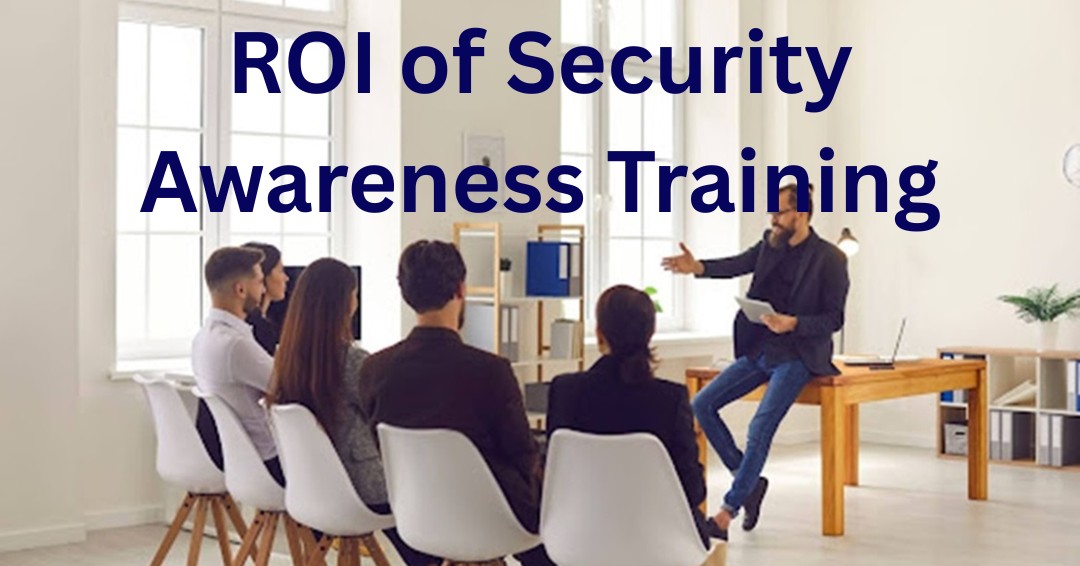
The good news is that most human-related cybersecurity risks can be reduced through ongoing security awareness training, clear policies, leadership support, and a culture that encourages employees to think critically about security. Organizations that invest in employee education help create a workforce that is more confident, informed, and prepared to respond to evolving cyber threats.
Cybersecurity awareness is not a one-time event. It is an ongoing process that strengthens over time through training, reinforcement, and accountability.
When employees understand their role in protecting the organization, they become one of the most effective security controls available.
Is Your Security Awareness Program Reducing Risk?
Many organizations provide cybersecurity training but remain unsure whether employees are truly prepared to recognize and respond to modern threats. If you’d like help evaluating your training efforts and strengthening your security culture, schedule a free consultation with ITNS Consulting. We’ll help identify opportunities for improvement and develop a practical strategy for reducing human-related cybersecurity risks.
How Mature Is Your Security and Compliance Program?
Employee awareness training is most effective when it is part of a broader strategy that includes policies, accountability, documentation, and ongoing improvement.
Download our Compliance Program Maturity Scorecard to evaluate your organization’s current cybersecurity and compliance efforts, identify areas for improvement, and gain a clearer understanding of your overall program maturity.
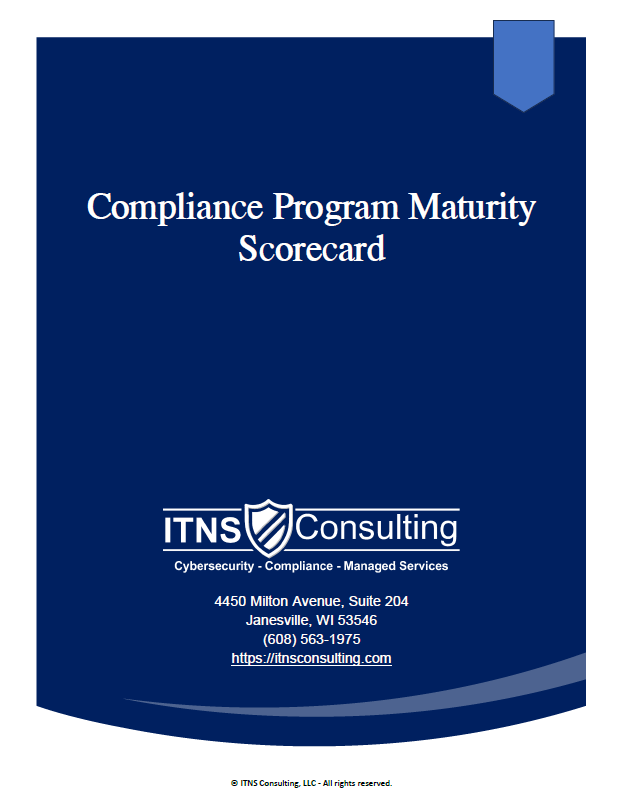
📊 Compliance Program Maturity Scorecard — Free Download
Measure Your Governance. Identify Gaps. Build a Stronger, More Predictable Compliance Program.
This scorecard breaks governance and compliance into clear maturity stages, helping you understand where your program stands and identify gaps in documentation, evidence, and control ownership.
It also helps you prioritize improvements based on risk, build repeatable governance practices, and strengthen readiness for audits, insurance reviews, and client due diligence.
Perfect for:
✔️ Small and midsize businesses building or improving compliance programs
✔️ Organizations onboarding GRC tools
✔️ Leaders preparing for regulatory or client‑driven assessments
✔️ Teams wanting clarity, structure, and accountability
✔️ Businesses striving for NIST CSF, SOC2‑lite, or insurance‑aligned maturity