Are you up to date with the current technology landscape? Do you have an idea of what it will look like in the next five to 10 years? Knowing this information is crucial as it can significantly impact your business. Tech acceleration is capitalizing on new or emerging technology to allow your business to increase capability or bolster efficiency.
The technology landscape is constantly evolving. Organizations must keep up with these developments to avoid being left behind by competitors and customers. This is where tech acceleration can come to the rescue. We define it as intelligently improving the technology that employees rely on in a way that considers the future and helps organizations achieve long-term goals.
Here are a few reasons why staying current with evolving technologies is important:
- Improved Efficiency: By integrating all necessary tools, we can save time and reduce effort, resulting in increased efficiency.
- Enhanced Productivity: Focusing on streamlining technology and processes can improve productivity and enhance the employee experience.
- Improved Security: Retiring obsolete technologies that are no longer receiving critical security updates can help improve security.
Before implementing new technology solutions and products, it is important to consider their long-term benefits for tech acceleration.
Elements of Effective Tech Acceleration
- Think Long-Term Instead of Mere Rapid Acceleration
Technology adoption has increased at a breakneck pace thanks to the onset of pandemic restrictions. These fast choices and implementations helped many organizations remain relatively unscathed by utilizing remote working and other collaborative solutions. However, now that we’ve had time to adapt to the “new normal,” it’s clear that brisk change isn’t always beneficial to the long-term success of an organization.
While these technology upgrades helped SMBs stay in business during the chaotic year that was 2020, they also resulted in several hiccups that ranged from integration challenges to limited long-term value. That’s why the time is ripe to prepare for the future by adopting smart tech acceleration. This requires a thorough examination and assessment to evaluate whether your present systems are advanced and integrated enough to support your business objectives over the next five to 10 years, and not just the present.
- Evaluate Previous Technology Investments
Examine your tech acceleration investments from the previous year (if you have any) to identify where you need improvements. It’s critical to assess whether prior investments have served your long-term vision/goals. Only then will you be able to determine whether your acceleration is on the right track or not.
- Benchmarking
What is the status of your tech acceleration environment? If it isn’t meeting your expectations, find out what other firms are doing differently to achieve better results. Consider what changes you can make to improve your organization’s performance to align it closer to your vision.
The metric used to monitor the progress of your tech acceleration initiative should consider levels of cybersecurity, customer experience, employee experience, technology integration across the organization, backups, compliance and so on.
- Consider the Total Experience (TX)
Total experience can be defined as a blend of customer and employee experiences (CX and EX). By breaking down silos and integrating technology with the employees, customers and users, total experience improves the overall experience. It focuses on addressing customer/employee needs to produce better long-term and meaningful business outcomes.
Experts estimate that by 2026, 60% of large enterprises will use total experience (TX) to transform their business models in order to achieve world-class customer and employee advocacy levels.
- Committing to Integration
Individually outstanding solutions that don’t integrate (or that your company doesn’t commit to integrating) will not serve you in the long run or help you scale. Systematic integration unifies the customer and employee experience, reducing the risk of error, increasing efficiency and providing the opportunity to automate repetitive operations, among other benefits.
Technology Acceleration Requires a Clear Strategy
Technology can be a powerful driver of growth, efficiency, and innovation, but only when investments are aligned with business objectives. Organizations that rely on short-term fixes often find themselves struggling with inefficiencies, security challenges, and technology that no longer supports their long-term goals.
The most successful businesses take a strategic approach to technology acceleration. They evaluate current capabilities, identify opportunities for improvement, prioritize initiatives that deliver measurable value, and develop a roadmap that supports future growth.
Technology should not simply keep pace with change. It should help your organization adapt, compete, and thrive in an increasingly digital business environment.
By focusing on the right investments at the right time, businesses can improve productivity, strengthen resilience, and create a stronger foundation for long-term success.
Is Your Technology Strategy Supporting Future Growth?
Many organizations invest in technology without a clear roadmap for how those investments support business objectives. If you’d like help evaluating your current environment and identifying opportunities to improve efficiency, security, and scalability, schedule a free consultation with ITNS Consulting. We’ll help you prioritize initiatives and develop a practical technology strategy that aligns with your long-term goals.
Build a Technology Plan That Supports Growth
Technology investments deliver the greatest value when they are guided by a clear strategy.
Download our Technology Roadmap Planner to evaluate your current technology environment, identify future priorities, and create a practical roadmap that supports business growth, operational efficiency, cybersecurity, and long-term success.
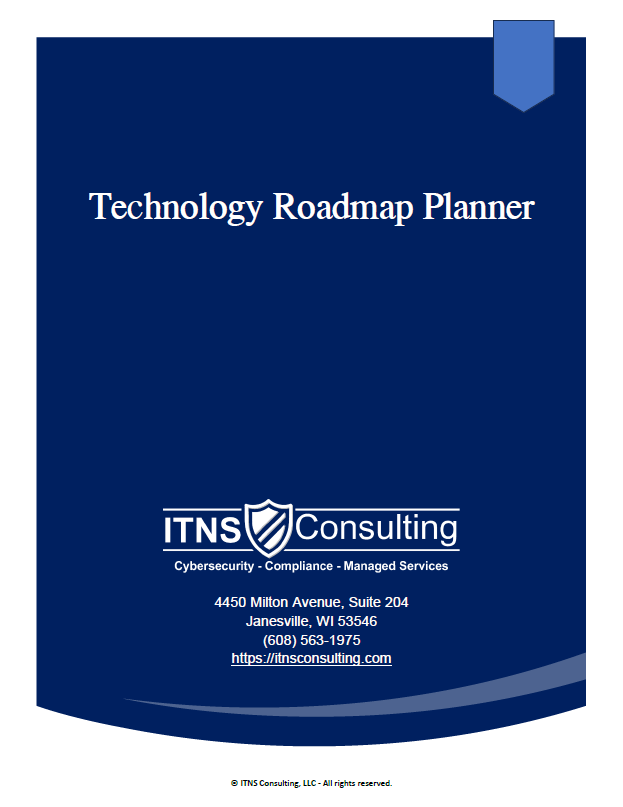
🧭 Technology Roadmap Planner — Free Download
Create a Clear, Strategic, and Measurable IT Improvement Plan
This structured planning tool helps you map IT, cybersecurity, and compliance priorities, identify outdated or high-risk systems, and document operational challenges and improvement opportunities.
It also helps you build a clear 12- or 24-month roadmap that aligns technology investments with budget cycles and communicates priorities clearly to leadership, staff, and vendors.
Perfect for:
✔️ Small business owners and general managers
✔️ Office managers and operations leads
✔️ Teams evaluating IT providers or internal processes
✔️ Organizations preparing for growth, compliance, or cyber insurance
✔️ Any business wanting more predictable, strategic IT planning