Even though it’s no secret that small to medium-sized businesses (SMBs) often have vastly fewer resources in comparison to larger enterprises, prioritizing organizational agility is just as critical for their survival. This is because, in today’s world, where a variety of unpleasant surprises can arise at any time, you must be well prepared to avoid becoming overwhelmed. Recent events, such as the pandemic, supply chain issues, war, inflation and The Great Resignation, serve as explicit indicators of why your SMB needs to be agile.
When the needs of your customers, employees, the market, the economy and other factors change, agile businesses can adapt quickly and keep working toward their business goals. To be agile, you must have systems in place that allow you to respond quickly to rapidly changing conditions and opportunities by preparing your people, processes and technologies.
However, organizational agility doesn’t happen overnight. You will encounter setbacks that can make your agility journey a bumpy ride. Knowing that is the first step towards organizational agility.
Keep An Eye Out For These Bumps Along The Way
On your journey to organizational agility, watch out for these 5 roadblocks:
1. Survival Mentality
In the context of agility, this refers to a business unit’s unwillingness to adopt innovations due to risk-averse mindsets or the perceived risk of innovations gobbling up existing business.
2. Workplace Politics
Whenever a business unit’s goals and priorities are misaligned, it’s probably due to workplace politics. It can lead to the dispersal of innovation efforts and the establishment of competing innovation units within the same enterprise, stretching resources and diluting the impact.
It could also take the form of a refusal to restructure the innovation portfolio to focus on a few mission-critical priorities, preferring instead to keep “pet projects” going for long periods of time.
3. Information Silos
Information silos prevent business units from sharing information. When information – or any other valuable asset, such as core talent – is hoarded and kept hidden from others, the entire company suffers. Information silos, in conjunction with workplace politics, could explain why some innovations, while successful within the unit, fail to scale in the principal business.
4. Lack of Strategic Fit
Innovation units can become disconnected from the central business and lose sight of the company’s vision and mission over time. When this happens – which is especially likely when innovation units are in a different city or country than the management team – the innovation team may start to define its purpose in ways incompatible with the main business.
5. Lack of Buy-In
Failure is a foregone conclusion if the main business’s leadership team does not buy in or participate. This could be because they have never been sufficiently engaged or because their attention has been spread too thin across many initiatives.
Agility Requires Strategy, Not Just Speed
Many organizations pursue agility because they want to respond faster to changing customer expectations, market conditions, and business challenges. However, agility is not simply about moving quickly. It is about making informed decisions, improving processes, and ensuring people and technology can adapt effectively when change occurs.
Organizations often encounter obstacles when they focus on short-term fixes, overlook process improvements, fail to align technology with business objectives, or underestimate the importance of communication and planning. Recognizing and avoiding these roadblocks can help create a stronger foundation for long-term success.
The most agile organizations continuously evaluate how work gets done, identify opportunities for improvement, and make strategic investments that support flexibility and growth.
True agility is achieved when people, processes, and technology work together to help the business adapt with confidence.
Is Your Organization Positioned to Adapt and Grow?
Many businesses recognize the importance of agility but struggle to identify which operational, process, or technology improvements will deliver the greatest impact. If you’d like help evaluating your current environment and building a practical strategy for improving adaptability and efficiency, schedule a free consultation with ITNS Consulting.
We’ll help identify opportunities for improvement, prioritize technology initiatives, and develop a roadmap that supports organizational agility, operational resilience, and long-term success.
Build a Technology Plan That Supports Organizational Agility
The most agile organizations align technology investments with business goals, operational improvements, and future growth plans.
Download our Technology Roadmap Planner to evaluate your current technology environment, identify future priorities, and create a practical roadmap that supports agility, operational efficiency, innovation, and long-term business success.
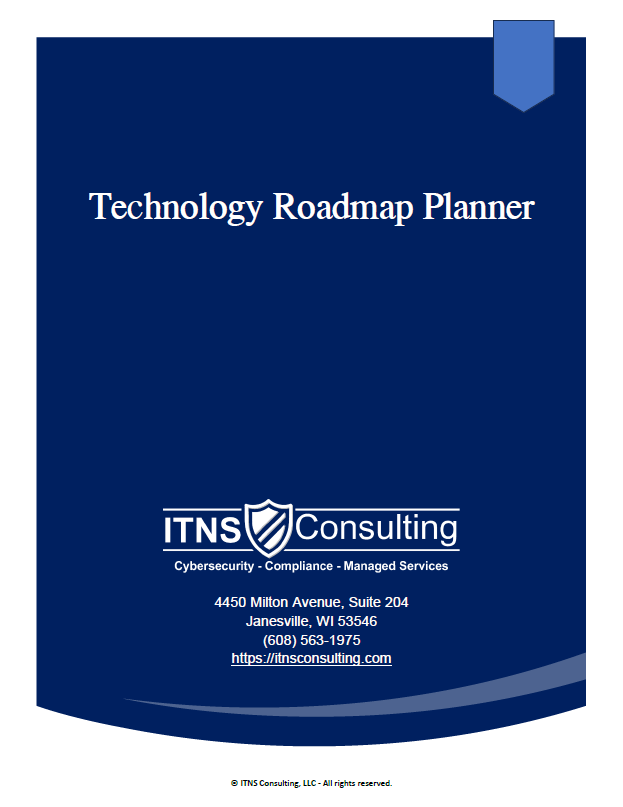
🧭 Technology Roadmap Planner — Free Download
Create a Clear, Strategic, and Measurable IT Improvement Plan
This structured planning tool helps you map IT, cybersecurity, and compliance priorities, identify outdated or high-risk systems, and document operational challenges and improvement opportunities.
It also helps you build a clear 12- or 24-month roadmap that aligns technology investments with budget cycles and communicates priorities clearly to leadership, staff, and vendors.
Perfect for:
✔️ Small business owners and general managers
✔️ Office managers and operations leads
✔️ Teams evaluating IT providers or internal processes
✔️ Organizations preparing for growth, compliance, or cyber insurance
✔️ Any business wanting more predictable, strategic IT planning