What Is Security Awareness Training
It’s a well known fact that human beings are the weakest link and largest security vulnerability in every business. Security Awareness Training is an effective method of educating employees to the dangers of phishing, online scams, and various other security concerns that should be a required “First Line of Security” component of every business organization.
Over the past few years there’s been a massive increase in security and privacy oriented compliance regulations.
Such as:
- Payment Card Industry Data Security Standard (PCI DSS),
- Health Insurance Portability and Accountability Act (HIPAA),
- Sarbanes-Oxley (SOX),
- Gramm-Leach-Bliley Act (GLBA),
- And many others.
All of these regulations mandate that companies implement security awareness training and testing as part of their written information security programs. As a result, this often-neglected area of information security requires attention.
What Are the Benefits to Your Business?
An effective Security Awareness Training program provides many benefits that can help protect your company from hackers, thieves, and other bad actors.
Training Reduces Errors. A recent study showed that 80% of breaches are caused by employee carelessness. If a program is implemented to teach them about common scams, such as Email attachments that contain malware or phishing Emails that steal personal information, they are much less likely to accidentally click links or open files that can threaten your assets.
Training Enhances Security. With vigilant employees properly using strong passwords, flagging suspicious emails, and alerting supervisors about unusual communications or activity, the company itself becomes less vulnerable.
Educated Staff Increases Compliance. As cyber-crime continues to wreak havoc, regulations continue to be implemented to protect data. Many of these regulations are mandatory and failure to have adequate safeguards can lead to lawsuits and/or fines.
Security Training Can Protect a Company’s Reputation. A security breach can destroy confidence in your brand, causing consumers or clients to flee in droves. One study shows that more than 70% of small businesses go under within 6 months of a successful attack.
Education Helps Morale. Scams are increasingly sophisticated and many employees are embarrassed that they don’t know much about security or what to do to stay safe. A security awareness training program can educate everyone discreetly, enhancing job satisfaction and employee retention along the way.
Your Company Will Save Time and Money. On average, it takes more than 7 months to identify and recover from a successful cyber-attack. The disruption to business operations and subsequent costs for small to mid-sized businesses average upwards of $955,429, much of which is spent on remediation, system upgrades, fines, legal fees, etc. Does your company have this kind of spare cash to burn?
You Will Have Peace of Mind. Having a strong security policy coupled with security awareness training means less worrying. You’ll be able to relax more, and perhaps even get a good night’s sleep, knowing that everyone is on the same page.
A Comprehensive Approach to Security Training
All it takes is one employee to cause a data breach, and Cyber Criminals are diligent in finding new, sophisticated methods to trick unsuspecting individuals into putting themselves at risk. Having a proactive security approach that includes security awareness education for staff members is the primary key to protecting every business, large or small. Our Governance, Risk, and Compliance SaaS Platform GRC Platform (SaaS)) is designed to provide continuous education and monitoring to keep security top-of-mind and help strengthen the weakest links in your business… before it’s too late.
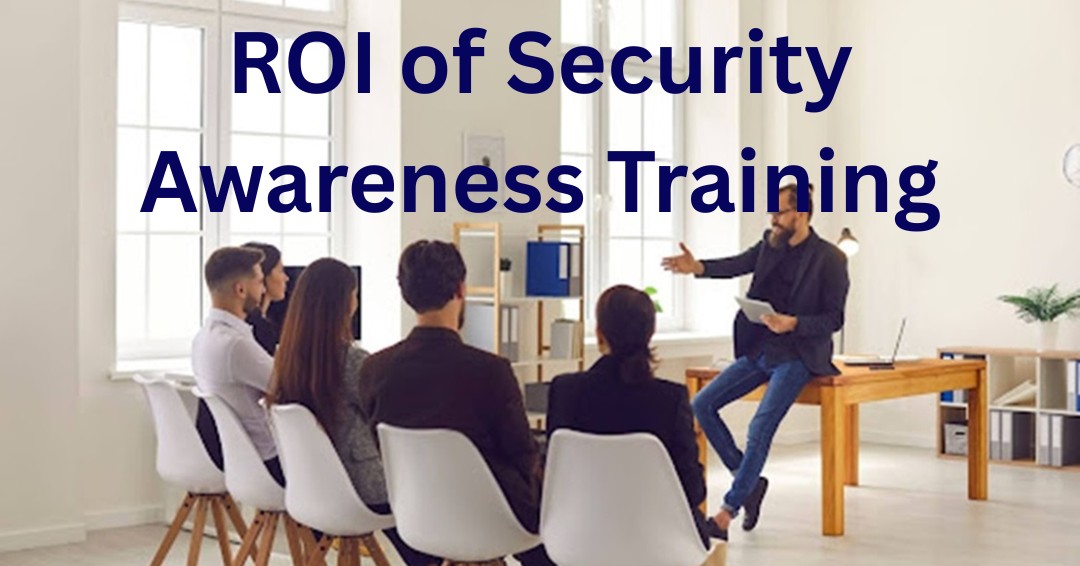
Security awareness training is not a one-and-done exercise. Regular security training through multiple media is ideal. Our GRC Platform (SaaS) takes security training to a whole new level by providing:
- Webinar Style Interactive Video Training Seminars allow our instructors to see whether learners are engaged throughout the process and adjust accordingly. It also allows participants to ask questions in real time.
- Interactive Self-Paced Online Training enables employees to work through the training materials from any location at their own convenience and pace, avoiding disruption to normal business processes.
- Phishing and Social Engineering Campaigns: Nothing captures a learner’s attention quite like the realization that they’ve fallen for a Phish or one of many other Social Engineering ploys. Of course, learners who fail the phishing and social engineering tests will be automatically enrolled in further training to reinforce their security concepts.
Security Training with Measurable Results
If it can be measured, it can be quantified. Our GRC Platform (SaaS) is designed to assess and define an organization’s unique threat profile and create a baseline for the business. The business’s baseline is then compared against each user’s Employee Vulnerability Assessment (EVA) allowing convenient monitoring of each user’s training progress in our dashboard in real time. Topics covered in our platform include, but are not limited to:
- Phishing and Social Engineering: Employees will be educated on how to spot and report phishing and other social engineering attempts. Users will also learn the dangers of interacting with suspicious links or entering credentials on a spoofed web page. Phishing and other Social Engineering practices extend well beyond the traditional Nigerian Prince Email scam. Overviews will cover spear phishing, whaling, suspicious phone calls, contact from suspicious social media accounts, etc. Examples of phishing attempts that have affected other organizations will also be covered.
- Physical Security: Physical security requirements can vary by an organization’s nature. Since businesses should already have a physical security policy in place, this is a great opportunity to make sure employees understand the parts of the policy that apply to them, such as locking desk drawers and rules about allowing guests into the office. Training will also review how to report physical security risks, such as someone in the building who isn’t wearing a guest badge or sensitive data that is left exposed in publicly accessible areas.
- Desktop Security: Outline the potential consequences of failing to lock or log off computers at appropriate times and plugging unauthorized devices into workstations among other relevant desktop security issues.
- Wireless Networks: Explain the insecure nature of wireless networks and outline the risks of connecting to unfamiliar ones.
- Password Security: Complex password requirements and prompting employees to change their passwords on a regular basis should already be enforced, but password security training is still important to explain the risks involved in reusing passwords, using easy-to-guess passwords, and failing to change default passwords immediately. Password management tools are also covered in this series.
- Malware and Ransomware: A series of training sessions on malware and ransomware that define the various types and explain what they are capable of. Users can learn how to spot malware and ransomware and what to do if they suspect their device has been compromised.
In addition to training and reporting, our platform is designed to provide continuous education. We provide weekly 2-minute micro-training videos and short quizzes all designed to keep cybersecurity short, engaging, and interactive.
We can also run continuous Phishing and Social Engineering campaigns that are designed to keep users alert and ready for action.
Security Awareness Is One of the Most Valuable Cybersecurity Investments You Can Make
Cybersecurity technology plays an important role in protecting an organization, but employees remain one of the most critical components of any security program. Every day, staff members make decisions that can either reduce risk or create opportunities for cybercriminals to succeed.
Effective security awareness training helps employees recognize threats, understand their responsibilities, and make more informed decisions when handling sensitive information, email communications, passwords, and business systems. Over time, these habits help create a stronger security culture and reduce the likelihood of costly incidents.
The most successful organizations do not treat security awareness as a one-time event. They view it as an ongoing process of education, reinforcement, and continuous improvement that strengthens both cybersecurity and operational resilience.
When employees understand their role in protecting the organization, they become one of the most effective security controls available.
Is Your Security Awareness Program Reducing Risk?
Many organizations provide cybersecurity training but never evaluate whether employees are retaining the information, applying it consistently, or improving their ability to recognize threats. If you’d like help assessing your current approach, schedule a free consultation with ITNS Consulting.
We’ll help evaluate your security awareness efforts, identify opportunities for improvement, and develop a practical strategy for strengthening your organization’s cybersecurity culture and reducing human-related risk.
How Mature Is Your Security and Compliance Program?
Security awareness training is most effective when it is supported by strong policies, accountability, governance, and ongoing improvement.
Download our Compliance Program Maturity Scorecard to evaluate your organization’s current cybersecurity and compliance efforts, identify opportunities for improvement, and gain a clearer understanding of your overall governance, risk management, and compliance maturity.
📊 Compliance Program Maturity Scorecard — Free Download
Measure Your Governance. Identify Gaps. Build a Stronger, More Predictable Compliance Program.
This scorecard breaks governance and compliance into clear maturity stages, helping you understand where your program stands and identify gaps in documentation, evidence, and control ownership.
It also helps you prioritize improvements based on risk, build repeatable governance practices, and strengthen readiness for audits, insurance reviews, and client due diligence.
Perfect for:
✔️ Small and midsize businesses building or improving compliance programs
✔️ Organizations onboarding GRC tools
✔️ Leaders preparing for regulatory or client‑driven assessments
✔️ Teams wanting clarity, structure, and accountability
✔️ Businesses striving for NIST CSF, SOC2‑lite, or insurance‑aligned maturity