What exactly is a cyber supply chain attack and how does it impact your organization? A supply chain attack is a type of cyberattack that targets an organization’s external suppliers and vendors. This can have significant consequences for the organization, such as financial losses, damage to reputation and costly recovery efforts.
The process of identifying and mitigating potential risks to your supply chain is known as cyber supply chain risk management. This includes assessing third-party vendors’ security, ensuring that their products and services meet the necessary security standards and putting measures in place to protect against potential cyberattacks.
As we navigate through today’s competitive business world, it’s essential to understand how to manage cyber supply chain risks. Failing to do so could mean the difference between maintaining order within your daily operations and facing the chaos of ruthless cybercriminals.
Implementation of best practices can go a long way in minimizing the impact of a supply chain attack and can protect your bottom line.
Recommended Cyber Supply Chain Security Practices
Prevention is always better than cure, especially when you are managing data, systems, software, and networks. By proactively adopting best practices, it is certainly possible to address supply chain risks. Some of these practices include:
Having A Comprehensive Cyber Defense Strategy
This involves taking a proactive and holistic approach to protecting your business from threats that may exist within your supply chain. For that, you need to focus on identifying and assessing potential vulnerabilities, implementing robust security measures to prevent attacks, and developing contingency plans in case of a breach.
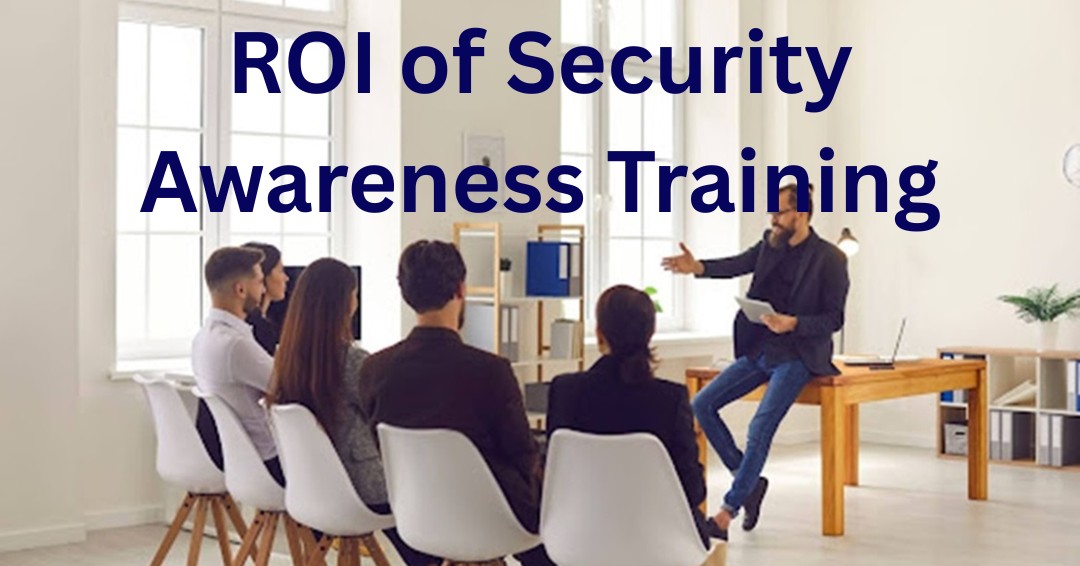
Conducting Regular Security Awareness Training
You must educate all employees about how even a minor mistake on their part could severely compromise security. Since employees are usually the first line of defense against cyberattacks, they must be trained to identify and avoid potential threats, especially when they come from within your supply chain.
Remember that drafting and implementing an effective security awareness training program should not be a one-time affair. It should take place regularly to ensure all stakeholders are on the same page.
Implementing Access Control
Enabling an access control gateway allows verified users to access your business data, including those in your supply chain, and helps minimize the risk to sensitive data. Both authentication (verifying the user’s identity) and authorization (verifying access to specific data) are crucial in implementing a robust access control strategy.
Additionally, you can restrict access and permission for third-party programs.
Continuously Monitoring For Vulnerabilities
Continuously monitoring and reviewing the various elements and activities within your supply chain can help identify and address potential security threats or vulnerabilities before a cybercriminal takes advantage of them. This can be achieved with tools and technologies, such as sensors, tracking systems and real-time data analytics.
Continuous monitoring can also help you identify and address any bottlenecks or inefficiencies in your supply chain, leading to improved efficiency and cost savings.
Installing The Latest Security Patches
This practice enhances security by ensuring that all systems and devices are protected against known vulnerabilities and threats.
Usually, software updates that fix bugs and other vulnerabilities that hackers might exploit are included in security patches. By installing these patches promptly, you can help safeguard your business against potential attacks or disruptions and reduce the risk of other negative consequences.
Developing An Incident Response Strategy
An incident response strategy is a plan of action that outlines ways to handle unexpected events or disruptions, including those resulting from a supply chain attack. This strategy helps ensure that your organization is prepared to respond effectively to any potential security breaches or other issues that may arise.
Some components of a supply chain incident response strategy may include identifying potential threats and vulnerabilities, establishing clear communication channels and protocols, and identifying key stakeholders who should be involved in the response process.
Partnering With An IT Service Provider
Partnering with an IT service provider like ITNS Consulting can help reduce supply chain vulnerabilities by providing expert support and guidance in areas such as cybersecurity, data protection and network infrastructure. This can help reduce the risk of data breaches and other cyberthreats and ensure your systems are up to date and secure.
Plus, an IT service provider like us can help you implement and maintain robust security protocols and processes to help you strengthen your supply chain security and protect your business from potential threats.
Supply Chain Security Requires Ongoing Oversight
Managing cyber supply chain risk is not a one-time exercise. As businesses become increasingly dependent on vendors, cloud providers, software platforms, and third-party services, maintaining visibility into those relationships becomes critical.
Organizations that actively evaluate vendor access, review third-party security practices, and establish clear expectations are better positioned to reduce risk, support compliance efforts, and protect sensitive information. Effective supply chain security requires a combination of due diligence, ongoing monitoring, documented processes, and regular reassessment.
The goal is not to eliminate vendor relationships. It is to ensure those relationships strengthen your business without introducing unnecessary security or operational risk.
By taking a proactive approach to third-party risk management today, your organization can improve resilience and reduce the likelihood of future disruptions.
Could Your Vendors Be Creating Hidden Security Risks?
Many organizations focus heavily on internal cybersecurity while overlooking the third parties that have access to systems, applications, and sensitive information. If you’re unsure whether your vendor relationships are creating unnecessary risk, schedule a free consultation with ITNS Consulting. We’ll help you evaluate third-party exposures, identify opportunities for improvement, and strengthen your overall supply chain security strategy.
How Much Access Do Your Vendors Really Have?
Third-party vendors often require access to systems, applications, and sensitive information to support business operations. Over time, that access can become difficult to track and manage.
Download our Vendor Access Review Template to evaluate vendor permissions, identify unnecessary access, and strengthen your organization’s approach to third-party risk management.
🔐 Vendor Access Review Template — Free Download
Know Who Has Access. Reduce Third Party Risk. Strengthen Your Security.
This template provides a clear, organized way to document every vendor with system or data access, identify excessive permissions, evaluate risk levels, and define security and support responsibilities.
It also helps you track critical safeguards, review offboarding procedures, and record changes and follow-up actions so vendor access remains secure and accountable.
Perfect for:
✔️ Small and mid-size businesses
✔️ Companies preparing for cyber insurance renewal
✔️ Teams undergoing vendor due‑diligence from clients or partners
✔️ Organizations evaluating current IT or SaaS usage
✔️ Leaders wanting strong governance and predictable security