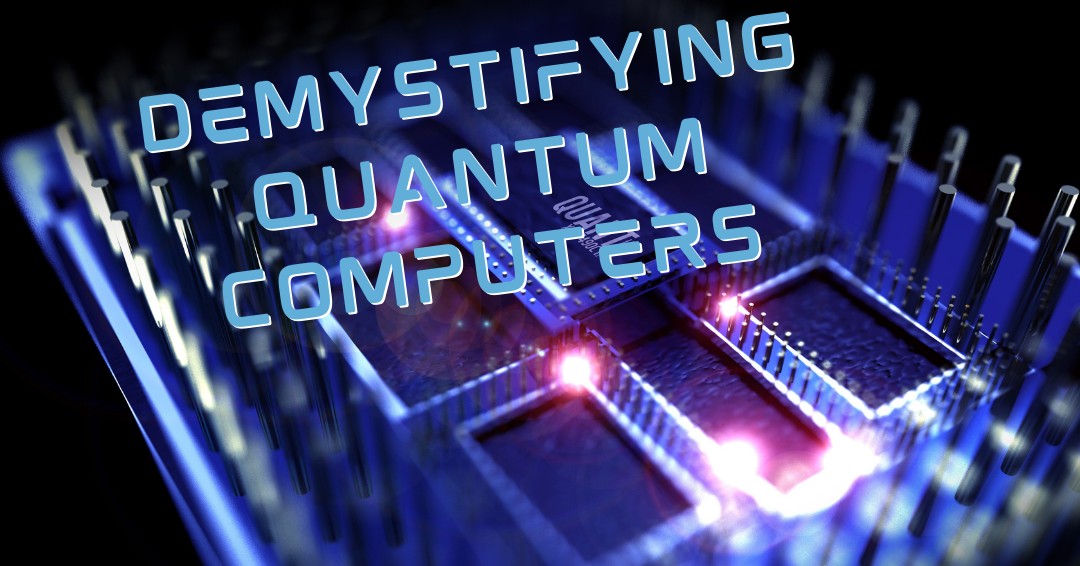


“Quantum computers” might sound complicated and intimidating, right? It doesn’t have to be rocket science. Let’s break down what quantum computers are, what they can do, and what that means for our cybersecurity in the future—in a way that anyone can understand, without needing a degree in quantum mechanics.
What Are Quantum Computers?
Imagine a super-powerful computer that can crack today’s most secure encryption with ease. That’s essentially what quantum computers could do for cybersecurity.
Regular computers, like good codebreakers, can try different combinations to unlock a safe, but it would take them an impractical amount of time for some safes (encryption methods) due to the complex math involved. Quantum computers, on the other hand, are like super codebreakers. They harness the complexities of quantum mechanics to unlock the safe much faster, potentially in a matter of hours. This is a big deal because most of our online security relies on encryption to keep things confidential. If quantum computers can crack those codes, it would be like having unlocked doors everywhere.
Thankfully, quantum computers are still in their early stages and aren’t yet powerful enough to break most of the encryption we use today. However, their potential poses a clear threat to our current cybersecurity!
A Quantum Impact on Cybersecurity
Quantum computers can break encryption methods at an alarming speed. This renders ineffective the widely used encryption tools that protect everything from banking transactions to business data and emails. Quantum threats could lead to increased data breaches of sensitive health and financial information.
Digital documents relying on current encryption methods may lose their integrity, and certain cryptocurrency encryptions could be compromised. Quantum-powered attackers could decrypt HTTPS connections, compromising secure communication. These attacks might expose HTTP and Secure Sockets Layer (SSL) certificates that rely on non-quantum-proof encryption techniques. These computers could even potentially forge the tokens that guarantee a website is secure; that certificate of security is what turns an HTTP site into HTTPS and places the little lock and shield beside a URL in the address bar.
What Experts Are Doing
Thankfully, IT experts are constantly working to find new solutions to the modern threats that plague our digital society. They’re researching and adopting quantum-resistant crypto algorithms, developing encryption methods that remain secure even against quantum attacks, exploring quantum key distribution for more secure communications, and evaluating our current capabilities to better address quantum threats in future risk management strategies and best practices.
In summary, the quantum threat challenges our existing security structures and capabilities, but we are not helpless against this growing, complex threat! Organizations must prepare today to limit their exposure and vulnerability to emerging quantum threats. As quantum computing advances, so must our defenses!
Preparing for Tomorrow’s Technology Starts Today
Quantum computing remains an emerging technology, but its potential impact on cybersecurity, encryption, and business operations makes it a topic worth understanding. While most small businesses are unlikely to face immediate challenges from quantum computing, the organizations that stay informed about emerging technologies will be better positioned to adapt as the technology landscape evolves.
The good news is that the same practices that strengthen cybersecurity today will continue to provide value in the future. Strong security controls, employee awareness, proactive planning, and ongoing technology assessments help organizations remain resilient regardless of how threats and technologies change.
Business leaders do not need to become quantum computing experts. They simply need to stay informed, evaluate emerging risks, and ensure that their technology strategies continue to support long-term security and business objectives.
The future of technology will bring new opportunities and new challenges. Organizations that prepare thoughtfully today will be better equipped to navigate whatever comes next.
Is Your Technology Strategy Ready for What’s Next?
Emerging technologies such as artificial intelligence, automation, and quantum computing continue to reshape the business landscape. If you’d like to better understand how future technology trends may affect your organization, schedule a free consultation with ITNS Consulting. We’ll help you evaluate your current environment, identify potential risks, and develop a practical technology strategy that supports long-term growth and security.
Build a Technology Plan for the Future
Technology decisions made today can have a significant impact on your organization’s future security, efficiency, and competitiveness. Download our Technology Roadmap Planner to evaluate your current technology environment, identify opportunities for improvement, and create a strategic plan for future technology investments.

🧭 Technology Roadmap Planner — Free Download
Create a Clear, Strategic, and Measurable IT Improvement Plan
This structured planning tool helps you map IT, cybersecurity, and compliance priorities, identify outdated or high-risk systems, and document operational challenges and improvement opportunities.
It also helps you build a clear 12- or 24-month roadmap that aligns technology investments with budget cycles and communicates priorities clearly to leadership, staff, and vendors.
Perfect for:
✔️ Small business owners and general managers
✔️ Office managers and operations leads
✔️ Teams evaluating IT providers or internal processes
✔️ Organizations preparing for growth, compliance, or cyber insurance
✔️ Any business wanting more predictable, strategic IT planning