

What is Cyber Extortion?
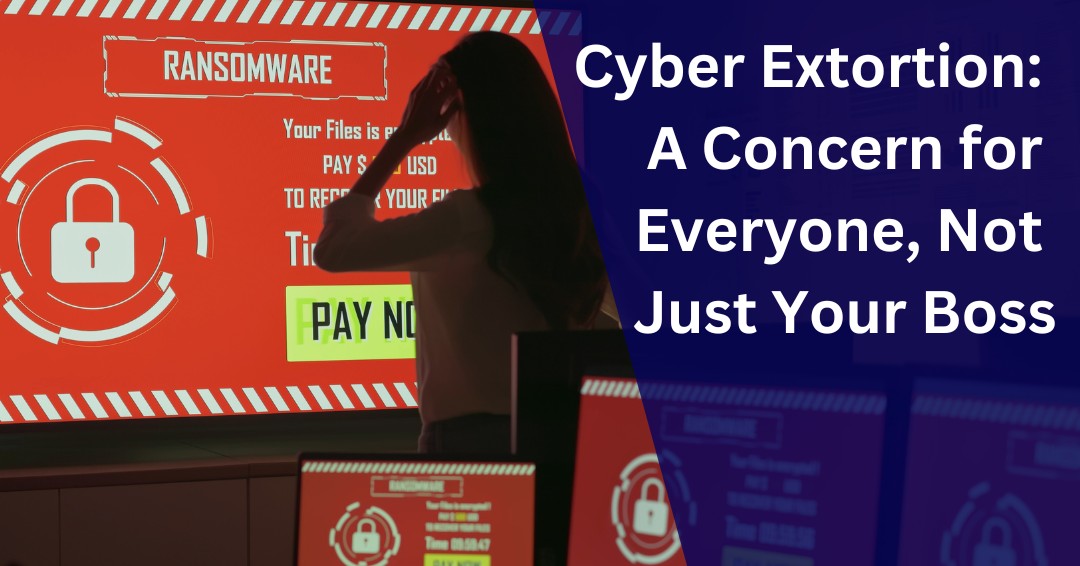
Cyber extortion is a serious form of cybercrime in which attackers infiltrate a company’s systems or gain access to sensitive data and demand a ransom to cease the attack or restore control. Common methods of cyber extortion include ransomware, distributed denial-of-service (DDoS) attacks, and brute-force data extortion.
These techniques allow cybercriminals to demand money from organizations under threat of data exposure or operational shutdown.
How Cyber Extortion Impacts Employees
You may wonder how this impacts your daily work. Here are some key ways it can affect you:
-
- Data Security: When bad actors access company systems, they may compromise sensitive data, including employee and customer information.
- Operational Disruption: Cyber extortion incidents can disrupt workflows and cause system downtime, impacting your ability to perform tasks.
- Financial Impact: Ransom payments, recovery costs, and even fines from data breaches can strain the company’s finances, potentially affecting budgets and resources.
- Training and Awareness: Many companies provide cybersecurity training to prevent such attacks. Staying aware of best practices can help protect both personal and professional data.
- Reputation Management: Public knowledge of a cyber incident can harm the company’s reputation, affecting employee morale and customer trust.
By understanding cyber extortion, you can play a part in safeguarding your company’s security and help reduce its risk of attack.
The Impact of Cyber Extortion on Businesses
Cyber extortion can have severe consequences for a company’s finances, operations, and reputation. Here’s a look at some of the major impacts:
-
- Financial Losses: Companies can face substantial costs from ransom payments, recovery expenses, and fines for failing to protect sensitive data. Some organizations pay ransoms exceeding $100,000, often without assurance that data will be restored or kept private.
- Productivity and Downtime: Business disruptions from cyber extortion lead to lost productivity, affecting service delivery and business objectives.
- Reputation Damage: A cyber incident can seriously damage customer trust, leading to potential business loss. Restoring reputation requires transparency and can be both time-consuming and costly.
- Legal and Regulatory Issues: Businesses may face fines and legal consequences if they fail to protect sensitive data, making compliance with cybersecurity regulations essential.
- Increased Security Investments: Following an attack, companies often need to invest significantly in security upgrades, employee training, and possibly in hiring cybersecurity specialists to prevent future incidents.
Cyber Extortion Is Everyone’s Concern
Cyber extortion is no longer a threat that only affects large corporations or executive leadership teams. It can impact organizations of every size and often begins with information, credentials, or access that employees encounter in their everyday work.
Awareness remains one of the most effective defenses. When employees recognize warning signs, question suspicious requests, and promptly report unusual activity, they help reduce risk across the entire organization. Quick action can often mean the difference between a contained incident and a costly business disruption.
The goal is not to create fear. It is to build a culture where employees feel confident identifying potential threats and know how to respond when something doesn’t seem right.
Cybersecurity is most effective when it becomes a shared responsibility. By staying alert, following established procedures, and acting quickly when concerns arise, everyone can play a role in protecting sensitive information and reducing the impact of cyber extortion attempts.
Would Your Team Know How to Respond to a Cyber Extortion Attempt?
Many organizations invest in technology but have never documented how employees should respond when suspicious activity occurs. If you’re unsure whether your team is prepared to recognize and respond to cyber extortion threats, schedule a free consultation with ITNS Consulting. We’ll help you identify gaps, improve preparedness, and strengthen your organization’s ability to respond to cybersecurity incidents.
Does Your Organization Have a Plan for the First Critical Hours?
When a cybersecurity incident occurs, confusion and delayed decisions can make matters worse. Having a clear response process helps organizations react quickly and reduce potential damage.
Download our Incident Response Quick Start Plan to understand the critical first steps to take after discovering suspicious activity, helping your organization respond more effectively when every minute matters.
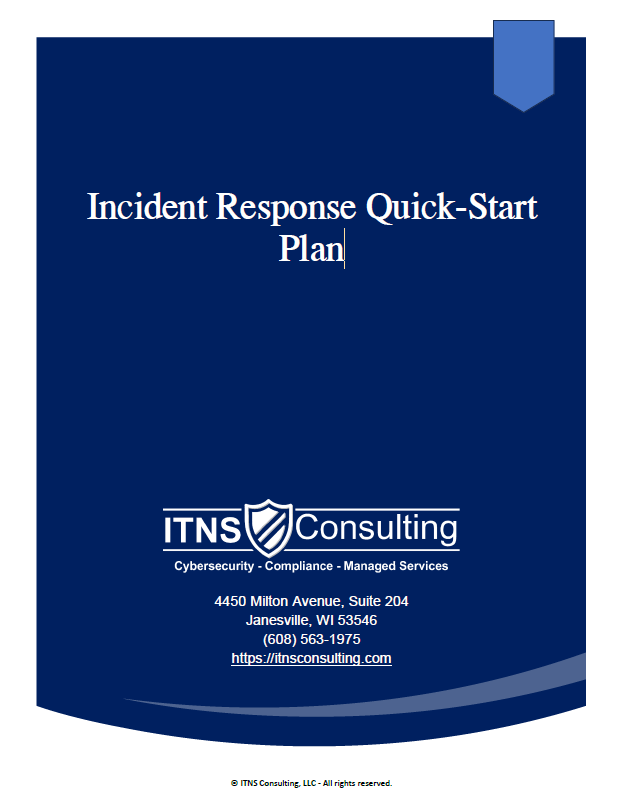
🚨 Incident Response Quick Start Plan — Free Download
React Fast. Minimize Damage. Restore Operations With Confidence.
This plan breaks incident response into clear, actionable steps that help you contain threats, protect critical systems and data, preserve evidence, and communicate confidently.
It also guides secure system recovery and documentation of findings to reduce risk and prevent similar incidents from happening again.
Perfect for:
✔️ Small and mid-size businesses without a formal IR plan
✔️ Teams evaluating their current provider’s response capabilities
✔️ Organizations preparing for cyber‑insurance renewal
✔️ Leaders wanting basic readiness before adopting full IR playbooks
✔️ Anyone who wants to reduce panic and confusion during an incident