A Wake-Up Call for Every Small Business
Imagine running a small business with just a handful of employees. You depend on digital tools to manage client files, payroll, contracts, and everyday operations. Then national headlines break: a federal court cyberattack has compromised highly sensitive government data. If a system that protects some of the nation’s most confidential legal records can be breached, what does that mean for a small organization with limited resources?
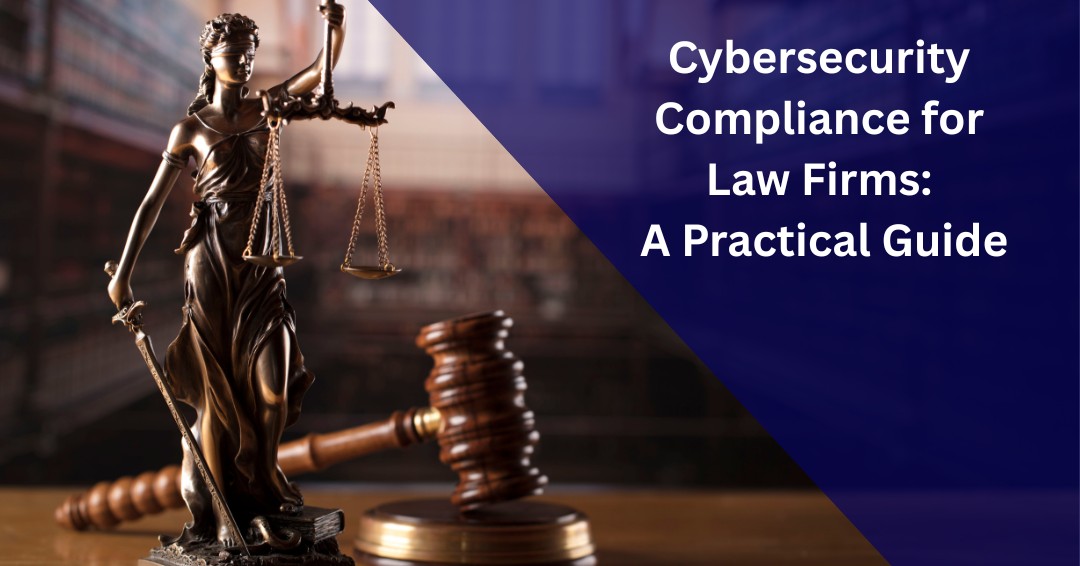
That concern became reality when the U.S. judicial system uncovered a major intrusion on July 4, 2025. Hackers infiltrated PACER (Public Access to Court Electronic Records) and CM/ECF (Case Management/Electronic Case Files), the platforms that store millions of filings, including sealed documents and confidential case materials.
Even though your small business isn’t tied to the court system, this attack highlights risks that every organization, especially those with small teams, must take seriously.
What Was Exposed in the Federal Court Cyberattack
Investigators believe several types of sensitive information may have been accessed during the attack, including:
- Identities of confidential informants
- Evidence files that could jeopardize active cases
- Sealed warrants and indictments that could alert suspects
Because PACER and CM/ECF are foundational to federal legal operations, this breach doesn’t just affect government workers. It has the potential to impact citizens, businesses, and anyone whose name or information appears in federal filings.
Why the Breach Happened
Although officials have not confirmed the exact method used by attackers, one factor is clear: outdated technology was a major weakness. The judiciary has long acknowledged that these systems were aging, difficult to maintain, and increasingly vulnerable to modern cyber threats.
As federal agencies including the Administrative Office of the U.S. Courts, the Justice Department, and the FBI continue assessing the damage, courts across the country are reviewing cases to determine what information may have been exposed.
Why Small Business Owners Should Pay Attention
For many small business owners, a large-scale attack like the federal court cyberattack may feel distant. But the threats behind it mirror the same vulnerabilities that small teams face every day.
- Outdated Technology Becomes Easy to Exploit
Small businesses often rely on old software because it’s familiar, or replacing it seems too expensive. That includes:
- Aging invoicing tools
- Old point‑of‑sale systems
- Unsupported servers or operating systems
These outdated tools act like an unlocked door for attackers just as legacy systems contributed to the federal breach.
- Your Data Is Valuable – Even If It Doesn’t Feel “High Stakes”
Hackers don’t only target government secrets. They also seek:
- Client and customer records
- Banking and payroll data
- Vendor contracts and billing details
- Tax documents
For a small business, losing control of this data can quickly lead to financial loss, legal liability, or reputational damage.
- Small Teams Often Lack Dedicated Cybersecurity Resources
Unlike large organizations, small businesses typically don’t have:
- A full-time IT specialist
- Enterprise-level cybersecurity tools
- A formal incident response plan
Cybercriminals know this, making small businesses appealing targets.
Common Challenges Small Business Owners Face
Challenge 1: “We can’t afford new systems.”
Using outdated tools feels cost‑effective until a breach occurs. Replacing old software is far cheaper than recovering from ransomware or identity theft.
Challenge 2: “Everyone shares the same password.”
Password reuse is common in small teams, but it’s also one of the easiest ways hackers gain access.
Challenge 3: “We wouldn’t know what to do if we got hacked.”
Without an incident response plan, even a minor breach can spiral into days of downtime and lost revenue.
Practical Cybersecurity Steps for Small Business Owners
- Update or Replace Outdated Systems
If software no longer receives security patches, it becomes a threat. Transition to modern, secure tools especially cloud-based platforms with built‑in protections.
- Encrypt Sensitive Data
Affordable encryption tools protect your files even if they’re intercepted during transfer or stored on compromised devices.
- Turn On Multi-Factor Authentication (MFA)
Enable MFA for:
- Accounting platforms
- Banking accounts
- CRM and customer tools
This simple step blocks many common attacks.
- Create a Basic Incident Response Plan
Your plan should outline:
- Who to contact if something looks suspicious
- How to isolate infected devices
- How you’ll notify customers, if needed
Even a one‑page plan dramatically reduces panic during a real incident.
- Train Your Team to Spot Phishing Attempts
Scams that impersonate legal or financial authorities are becoming more convincing. Teach your team to verify anything unexpected using official channels.
Final Takeaway
The federal court cyberattack is a powerful reminder that no organization is too small or too unimportant to be targeted. Cybercriminals exploit outdated tools, weak passwords, and unprepared teams, making small businesses especially vulnerable.
By upgrading your systems, strengthening authentication, encrypting key files, and preparing your team, you reduce your risk and protect the business you’ve worked hard to build.