In today’s digital age, the importance of cybersecurity for businesses cannot be overstated. With the increasing frequency and sophistication of cyberattacks, protecting sensitive data and maintaining a secure IT infrastructure is paramount.
While many businesses invest in advanced security technologies, they often overlook one crucial element – their own employees. Human error remains a common factor in data breaches, making employee training a frontline defense in small business IT security.
By educating your employees about cybersecurity best practices, you can significantly reduce the risk of cyber threats and mitigate potential damage.
Why is Employee Training Essential?
Cybercriminals are constantly evolving their tactics and finding new ways to exploit vulnerabilities. From clicking on phishing emails to using weak passwords or falling victim to social engineering scams, employees can unknowingly expose your business to cyber risks. Without proper training, even the most advanced cybersecurity measures can be rendered ineffective.
Employee training empowers your workforce to be proactive in identifying and responding to potential threats. It equips them with the knowledge and skills to recognize suspicious emails, malicious links, and unusual network behavior. By creating a culture of cybersecurity awareness, you can transform your employees into an additional layer of defense against cyberattacks.
Effective Strategies for Employee Training
1. Comprehensive Cybersecurity Awareness Programs:
Develop a comprehensive cybersecurity awareness program tailored to your business’s specific needs. This program should cover various aspects of cybersecurity, including password hygiene, email security, safe browsing practices, and the importance of regularly updating software and systems.
2. Regular Training Sessions:
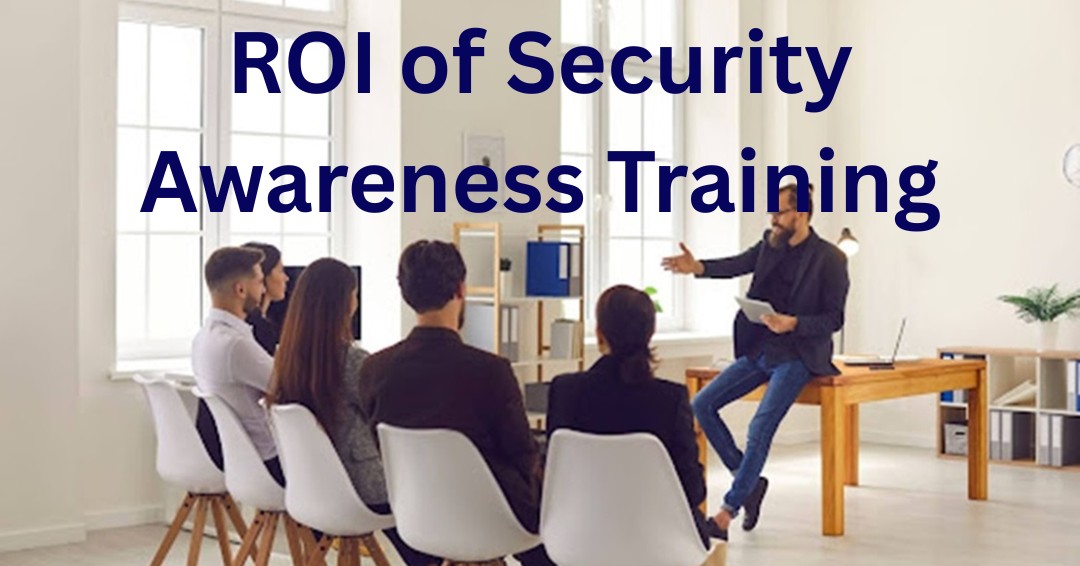
Schedule regular training sessions to reinforce cybersecurity best practices and address any emerging threats. These sessions can include interactive workshops, simulations, and real-life case studies to provide practical knowledge and promote active engagement.
3. Phishing Simulations:
Conducting simulated phishing attacks can help employees recognize and respond to phishing attempts. These simulations provide a safe environment to practice identifying fraudulent emails and learn how to report them. Regularly conducting such simulations can significantly reduce the risk of falling victim to real phishing attacks.
4. Role-Based Training:
Tailor training programs to different roles within your organization, considering their specific cybersecurity responsibilities. This approach ensures that employees receive training that is relevant to their job functions, making it more effective and applicable to their daily tasks.
5. Continuous Education and Updates:
Cybersecurity is an ever-evolving field, with new threats emerging constantly. Encourage employees to stay informed about the latest cybersecurity trends, provide resources such as articles and webinars, and promote ongoing education to keep their knowledge up to date.
Employees Are One of Your Most Valuable Security Assets
Technology plays an important role in protecting businesses from cyber threats, but even the most advanced security tools cannot replace an informed and engaged workforce. Employees are often the first line of defense against phishing attempts, social engineering attacks, data exposure, and other common cybersecurity risks.
Organizations that invest in ongoing security awareness training create a culture where employees are empowered to recognize threats, make informed decisions, and contribute to the organization’s overall security posture. These efforts help reduce risk, strengthen resilience, and improve the effectiveness of existing security controls.
Cybersecurity awareness is not a one-time initiative. It is an ongoing process that requires education, reinforcement, and leadership support. Businesses that prioritize employee training are better positioned to protect sensitive information, maintain customer trust, and adapt to an evolving threat landscape.
When employees understand their role in cybersecurity, they become one of the most effective security controls an organization can have.
Is Your Security Awareness Program Delivering Results?
Many organizations provide cybersecurity training but struggle to determine whether employees are truly prepared to recognize and respond to modern threats. If you’d like help evaluating your training efforts and strengthening your security culture, schedule a free consultation with ITNS Consulting. We’ll help you identify opportunities for improvement and develop a practical strategy for reducing human-related cybersecurity risks.
How Mature Is Your Security and Compliance Program?
Employee training is most effective when it is part of a broader strategy that includes policies, accountability, documentation, and ongoing improvement.
Download our Compliance Program Maturity Scorecard to evaluate your organization’s current cybersecurity and compliance efforts, identify areas for improvement, and gain a clearer understanding of your overall program maturity.
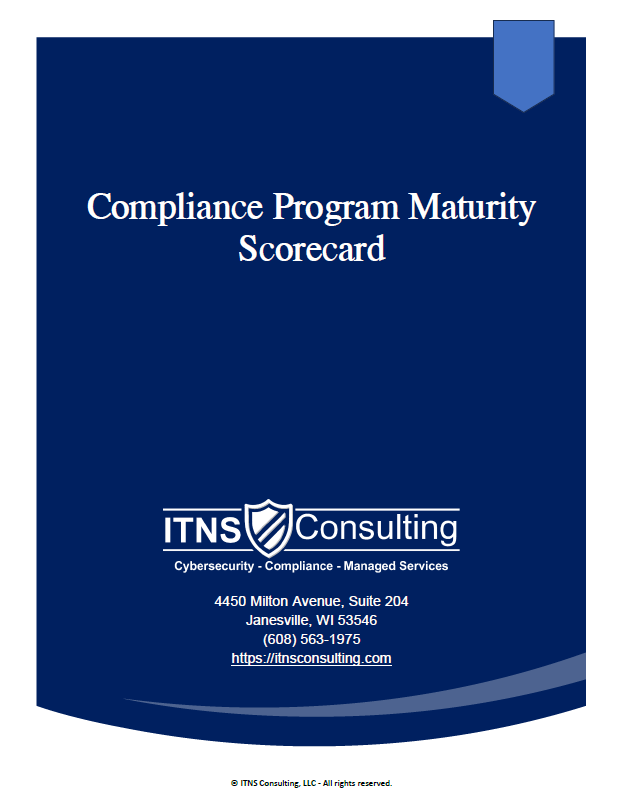
📊 Compliance Program Maturity Scorecard — Free Download
Measure Your Governance. Identify Gaps. Build a Stronger, More Predictable Compliance Program.
This scorecard breaks governance and compliance into clear maturity stages, helping you understand where your program stands and identify gaps in documentation, evidence, and control ownership.
It also helps you prioritize improvements based on risk, build repeatable governance practices, and strengthen readiness for audits, insurance reviews, and client due diligence.
Perfect for:
✔️ Small and midsize businesses building or improving compliance programs
✔️ Organizations onboarding GRC tools
✔️ Leaders preparing for regulatory or client‑driven assessments
✔️ Teams wanting clarity, structure, and accountability
✔️ Businesses striving for NIST CSF, SOC2‑lite, or insurance‑aligned maturity